
Best Solar Generator for Cold Weather: What Buyers Need to Know
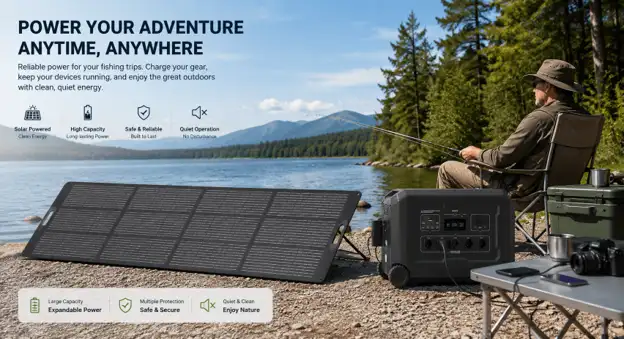
The winter season has a vital impact on the effectiveness of heating, communication, and lighting systems, hence the necessity for the proper functioning of electrical systems during winter periods. This implies that the choice of a right device requires one to pay attention to such characteristics as battery, charging mechanism, and power sources being used.
It is important to know that while solar generators allow one to get an emergency power supply, the cold weather will impact battery efficiency and solar panels as well. This knowledge comes in handy when making a purchase.
How Cold Weather Affects Solar Generators
Cold weather can influence the performance of a solar generator with regard to how effective it is in storing and providing energy. The effect of cold on the operation of solar generators depends on battery technology, model features, and temperature conditions.
Lithium-ion batteries most frequently used in mobile SOUOP power stations may lose some of their useful power as a result of the cold weather. Moreover, in winter weather conditions, the charging may be impossible and some batteries may require being fitted with internal protection from frost.
Solar panels can function in winter under the right climatic conditions, however, because of short daylight hours, snow cover, clouds, and the poor position of the panels their output gets lowered significantly.
Thus, clients should check whether the operation and charging temperatures of their solar generators are suitable.
Opt for a Battery Suitable for Cold Weather
The chemistry of the battery is a crucial factor when looking for a solar generator for winter use. Different battery technologies respond in distinct ways to low temperature situations. Therefore, it is very important to know what to expect from various types of batteries before making any selection.
Lithium iron phosphate (LiFePO4) batteries are among one of the most popular power sources used in modern mobile devices due to their advantage of being long-lasting, but even they can fail in low temperature conditions.
Charging some LiFePO4 batteries is limited under conditions of freezing temperatures unless the generator has some protective features.
Some models have battery management systems that monitor the temperature and ensure safe battery charging. Others can be designed in a way to heat up the battery to achieve the appropriate charging temperature.
It is important to look into whether the generator can operate during low temperatures before purchasing it and whether it has an auto-disabling feature when temperatures are extremely low along with any heating features it may offer.
Check Battery Capacity and Power Output
It is essential that the solar-powered generator provide sufficient energy for your necessary devices during a power outage in winter. The first thing one should do is to make a list of necessary items that one needs: mobile devices, LED lighting, routers, laptops, refrigerator, etc.
The battery capacity is expressed in watt-hours (Wh), which tells how much energy the system can store, while the continuous output rating is indicated in watts (W), showing how much energy it can transfer to working devices simultaneously.
As an example, a best solar generator with a more powerful battery will be able to support low-energy appliances for extended periods, while devices with higher consumption rate will exhaust it sooner. Any device that uses motors also requires some more initial energy for starting.
Energy management plays an important role in winter seasons when batteries and solar charging systems are not as effective. Hence, it is wise to pick capacity based on one’s requirements keeping in mind that mobile solar generators usually are not meant to power heating devices.
Assessing Solar Charging Capabilities in the Winter
Solar charging is good for the chilly weather but requires sunlight and does not strongly depend on temperature. Solar panels will still work with efficiency on sunny days when it is just chilly outside but in some cases, the days in winter are just too short because there is no sun.
So when buying equipment, look at maximum solar input, compatible panels, and charging time under perfect conditions. The higher the solar input rating, the faster the charging time with sufficient sunshine.
Always place panels where there is a lot of sunshine and follow the manufacturers’ instructions on how to set panels correctly. Clear panels of snow when it is safe to do so and do not use them when they are wet or damaged.
It is also worth charging your power station in advance, just before a winter storm hits. Having relied too much on solar panels during cloudy days might leave you with less energy than expected.
Select a Reliable Solar Generator Brand
Choosing a trusted name plays a key role in simplifying the process of feature comparison, understanding the product specifications, and making ready for winter blackouts. SOUOP is a Shenzhen Kerui Power Storage Co., Ltd. Brand specializing in portable power stations, home power back-up systems, solar generator systems, and other options. These product lines represent portable power technologies required by people that need electricity on-the-go or power when it is not possible to use the grid.
You must be careful when evaluating the best solar generator models for the cold as you need to analyze each model closely and find out their battery chemical makeup, the lowest temperature at which they can be charged and operated, solar inputs and outputs, as well as their cold-weather protections.
Do not think that all products manufactured by a brand can cope with the freezing temperatures. Check the user manual before making sure that a certain device is able to meet the requirements you have, especially if you are going to use it in the unheated garage, cabin, or outside during winter.
Keep the Power Station Protected From Freezing Temperatures
Even outdoor tools have particular requirements when it comes to the temperature of the battery. For the generator to function properly, it should not be subjected to a low temperature.
It is best to store the generator at home and preferably somewhere warm and dry. The generator should not be on the porch or in a shed, or in a car that is frozen because of the weather.
If the battery is cold, don’t try to heat it up with flames or heater. Just let it reach the desired temperature naturally.
Last but not least, make sure that all solar panels, wires, and other components of the station are inspected for any possible issues like snow or humidity, and are stored properly and securely.
Consider Portability and Emergency Features
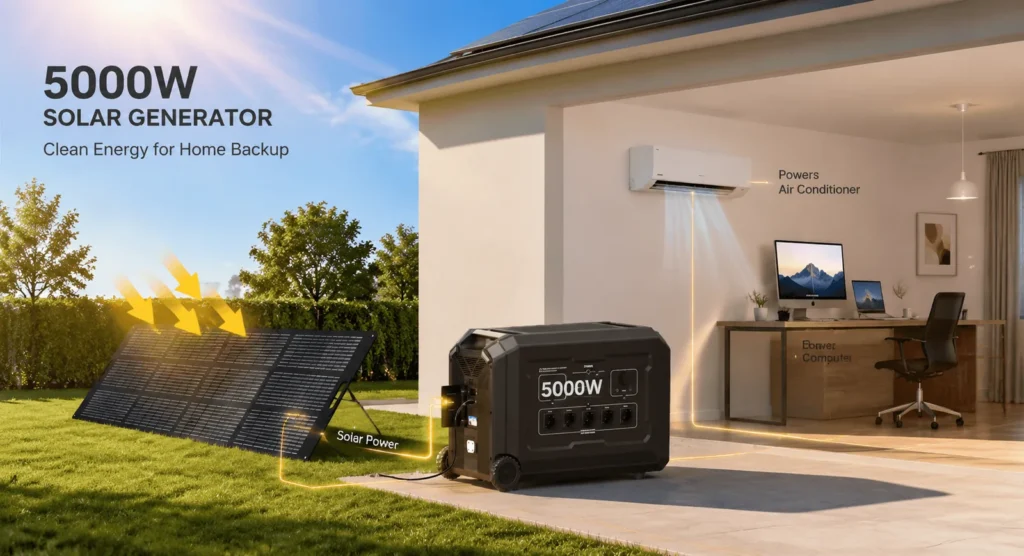
In winter, portability becomes very handy as it may once in a while be necessary to move the power station from one room into another where it will remain protected from bad weather. Before you choose an appliance that suits you, it is important to check what it weighs, whether it has handles for carrying, how big it is, and also how easy it is to use.
Reference level, which will also add a display to any peculiar data regarding the battery such as the level, usage, and charge, will help monitor energy saved during times of prolonged power outages. It would be beneficial if there are multiple outputs to allow you to charge several devices simultaneously.
The safety features that can either be built into the device or added as an extra may include protection from overload, overheating, or short-circuit. The device may also include solar charging besides electric charging, depending on the end users’ purposes and willingness to use solar energy.
Also, check out the warranty and customer service provided by the brand.
Prepare Your Solar Generator Before Winter
In summary, obtaining the right devices isn’t the only part of winter preparation. You should follow some simple steps before winter approaches, to prepare for very low temperatures and snow storms.
- Charge your devices beforehand: It is important to observe the recommendations of manufacturers and charge your devices before the advent of severe weather.
- Monitor temperature restrictions: Check that your device can work normally regarding estimated temperature.
- Confirm that connection points are in good order: Ensure that there are no problems with cords associated with water or knotting.
- Plan how to consume power: Make sure to charge the vital devices in the first place, such as communication equipment and lights.
- Use charging resources wisely: When conditions allow, use the appropriate AC charging or solar panels.
- Keep the unit in correct conditions: Prevent its freezing and exposure to the elements.
Testing the generator with the required devices will help to determine whether it has enough output and battery capacity.
Conclusion
When selecting the top solar generator for use in freezing temperatures, one must consider more than just the battery capacity and product price. To find the best generator for wintertime use, one must look not only at the battery’s chemistry, but also at the low-temperature charger protection, solar input, output power, and storage conditions.
As models differ considerably in terms of specifications and temperature limits, one must ensure to review the device specifications prior to buying. If the device corresponds to the energy requirements and also has a good resistance to low temperatures, it can be said that it is more probable for a person to start a reliable backup system in case of extreme weather, while camping, etc.
Frequently Asked Questions
Does a solar generator operate effectively in below-freezing conditions?
The answer is affirmative provided the specifications of the solar generator allow for its use in the cold conditions. However, it is essential to note that one may notice a drop in the battery’s capacity at lower temperatures, and charging may not take place below certain temperatures; thus, it is necessary to use solar generators following the instructions provided by the manufacturer.
Which battery type is recommended for solar generators in winter?
The ideal batteries for cold weather are the lithium iron phosphate (LiFePO4). Lithium iron phosphate batteries have a long cycle life, but charging below freezing point is generally not possible unless the generator has low-temperature protection.
Are solar panels effective in winter?
Solar panels can still produce electricity during winter because they can still produce electricity in winter as long as the sunshine is available. However, solar panel efficiency may be compromised during winter due to several factors such as short days, clouds, snow, and shading. It’s therefore important to keep the solar panels clean from any obstruction so as to ensure it receives maximum sunshine for charging.
